The first time you open an inspection report it can feel like a verdict. Sixty findings, many photographs, and some words in red. It is not a verdict. It is a list, and the useful skill is sorting it.
Most reports from older Metro Vancouver houses run long, because old houses have a lot to say. A long report does not mean a bad house. A short one does not mean a good one, either; it can mean the house was new, or that large parts were not accessible.
Start with the rating key
Every report should explain its own rating system near the front. Ours uses five levels. Other inspectors use different words, so check the key before you compare two reports.
- Safety. A risk of injury, fire or serious damage. Examples are a double-tapped breaker, a missing guard on a stair or deck, or a gas appliance venting into the house.
- Major. A significant defect, or a component at or past the end of its life. Examples are a roof flashing that is already leaking, a wet crawl space, or a furnace that is failing.
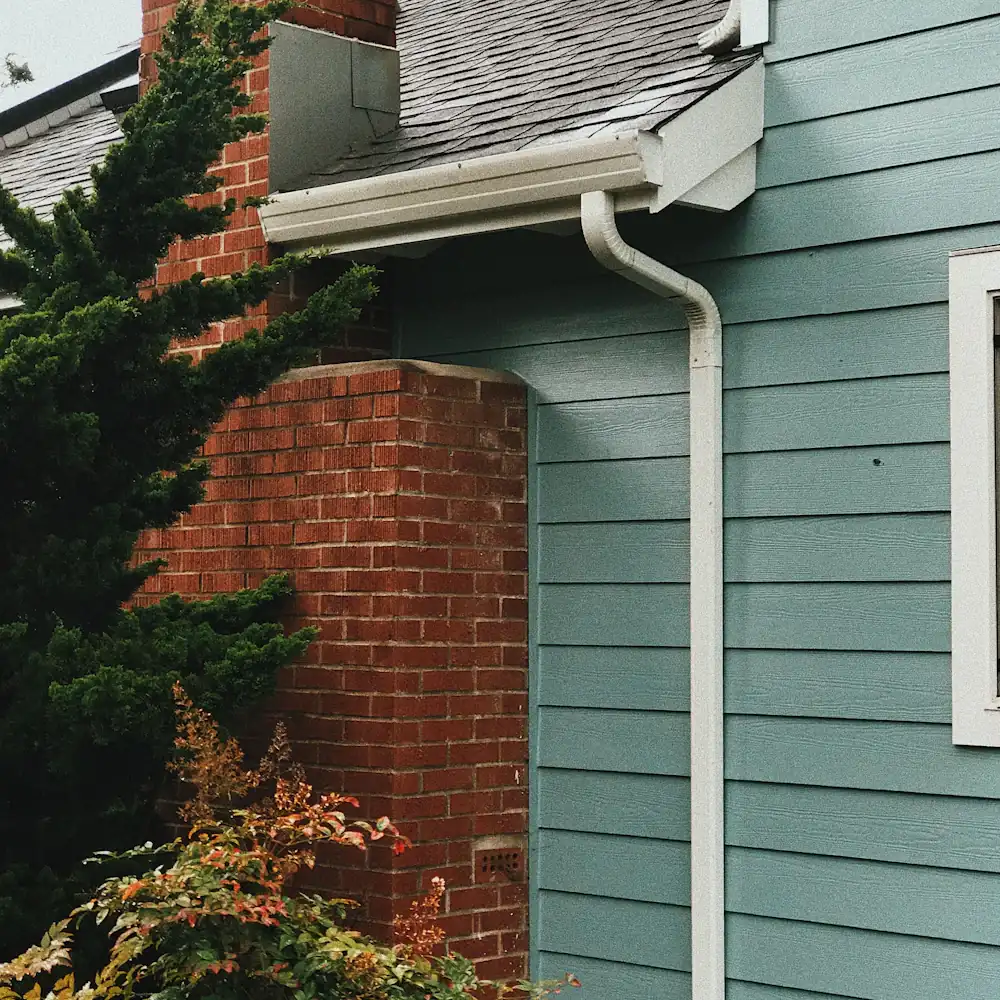
- Repair. Needs fixing, but not urgent. A loose handrail, a bathroom fan duct that stops in the attic, a downspout that discharges at the foundation.
- Maintenance. Upkeep the owner should do: clearing gutters, re-sealing a window, cleaning a dryer vent.
- Monitor. Not a problem today. Watch it, or ask a specialist if it matters to you.
The sample report shows each of these in use.
Read in three passes
- Summary first. Read the Safety and Major items, and nothing else. This is the part that affects your decision.
- Then the Repairs. Add up roughly what they involve and which trade you would call for each. Many Repair items turn out to be one job for one contractor.
- Everything else last. Maintenance and Monitor items are a to-do list for the first year of ownership, not a reason to renegotiate.
What the colour does not tell you
A red or amber label tells you urgency, not price. A Safety item such as a missing smoke alarm costs very little to fix. A Monitor item, such as a hot water tank near the end of its life, may cost more than several Repairs combined once it fails. The rating is the inspector's judgement of what to do first, and it is not a quote.
Costs vary by contractor, by access, and by what is found when walls are opened. If a number matters to your decision, get one or two written quotes from the right trade before subjects come off.
Photos and captions
Photographs in a report show where something is, not how bad it is. A close shot of a stain can make a small problem look serious, and a wide shot can make a bad one look minor. Read the caption and the text with the picture. If the caption says "typical" or "one of several", the same condition occurs elsewhere in the house.
Words that mean something
Some phrases in a report have a specific meaning.
- "Not inspected" means we did not look. Maybe the area was blocked, locked, unsafe or out of scope. It is not a clean result.
- "Not visible" means the condition could not be seen from where we stood, and it may be fine or may not be.
- "Recommend evaluation by a qualified person" means the issue is outside a general inspection. Book the specialist before you decide.
- "Typical for the age" means the condition is common in houses of that vintage and may not need action beyond awareness.
Pairing findings with decisions
Once you have the sorted list, there are only a few things you can do with it.
- Go ahead and plan. Many reports lead to a first-year repair list and nothing more.
- Ask for repairs or a credit. This is a negotiation, and your realtor can advise on what is realistic. Prioritize Safety and Major items. A request with fifty items is harder to win than a request with five.
- Ask for more time. If a specialist's opinion is needed, such as a plumber for Poly-B or an electrician for old wiring, you may ask to extend the subject period. The seller may say no.
- Walk away. It is a real option. Sometimes the report shows a house is not the one you thought it was.
Questions to ask the inspector
Phone and ask. A good inspector is glad to explain. Useful questions:
- Which two or three items would worry you most if this were your purchase?
- Which are cheap to fix, and which are not?
- What did you not see, and could it matter?
- Which trade should I call for each?
- Is anything here typical for the age that I should simply know about?
After the move
Keep the report. It is a baseline for the property, and it is a useful record of the age and condition of the roof, the water heater and the furnace when you bought. When a contractor visits later, the report tells them what has already been seen.
The report is written for the person who hired the inspector. If you want to share it with a lender or a tradesperson, ask the inspector first.