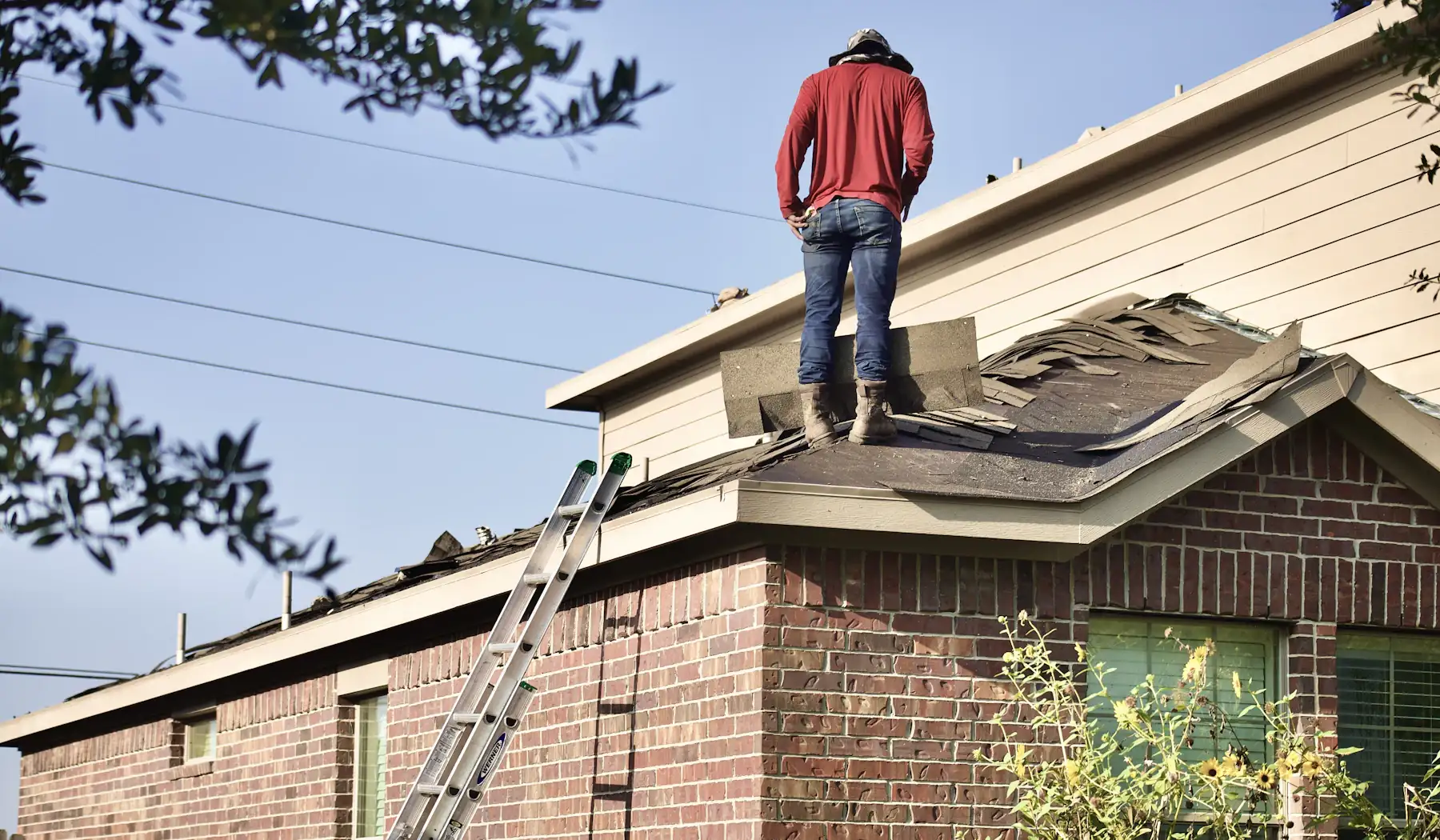
Building and home inspections, Metro Vancouver
Home inspections for buyers, sellers and strata owners in Metro Vancouver
We inspect houses, condos, townhouses and small commercial buildings from Vancouver to Surrey, and from West Vancouver across to Coquitlam. You are welcome to walk the property with the inspector. The written report lists each finding with a priority, so you can sort the expensive problems from the routine ones before your subjects come off.
Book an inspectionCall 604-555-0176
If we are on a roof or in a crawl space we cannot pick up. Leave a message with the address and your subject date, and we will call you back.
Walk the property with the inspector
Come for the whole visit or the walk-through at the end.
Written report with priorities
Safety and major items first, routine items after.
All of Metro Vancouver
Vancouver to Surrey, West Vancouver to Coquitlam.
Weekend inspections
By arrangement, when a subject date is close.
Which inspection do you need
Most calls are from buyers, but sellers, strata councils and owners of small buildings book us too. The scope changes with the property, so the list below starts with the question you are probably asking.
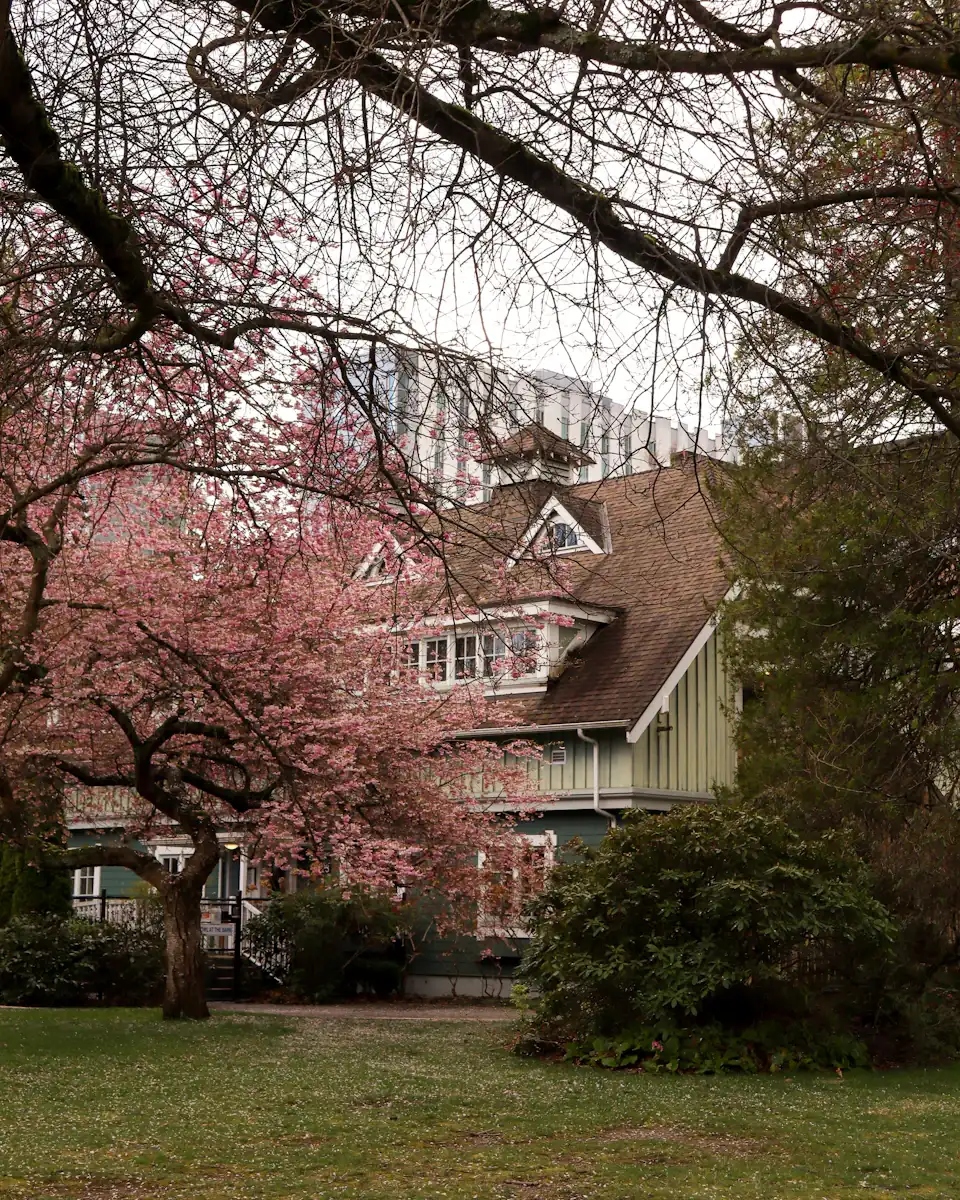 Pre-purchase house inspectionBuyers of detached houses, duplexes and older homes. Roof to foundation, with the subject date in mind.
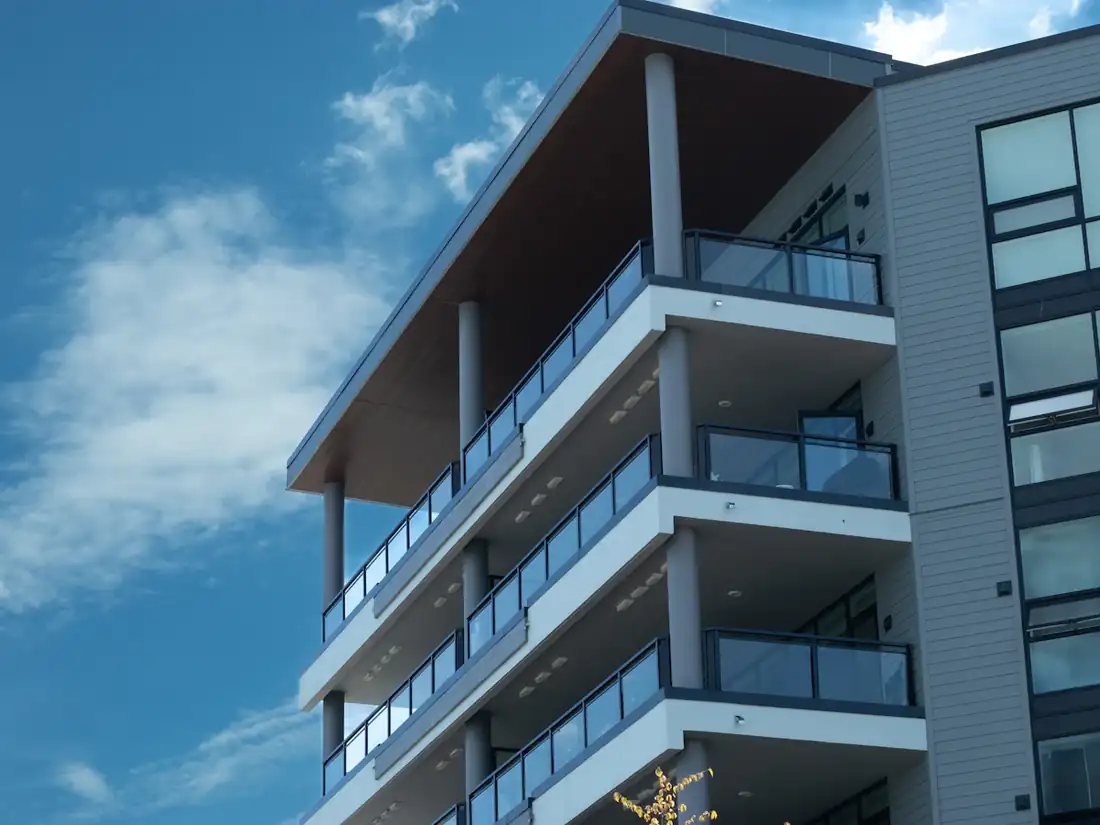 Condo or townhouse inspectionBuyers of strata units. Covers the unit and what we can see of common areas. Strata documents are a separate review.
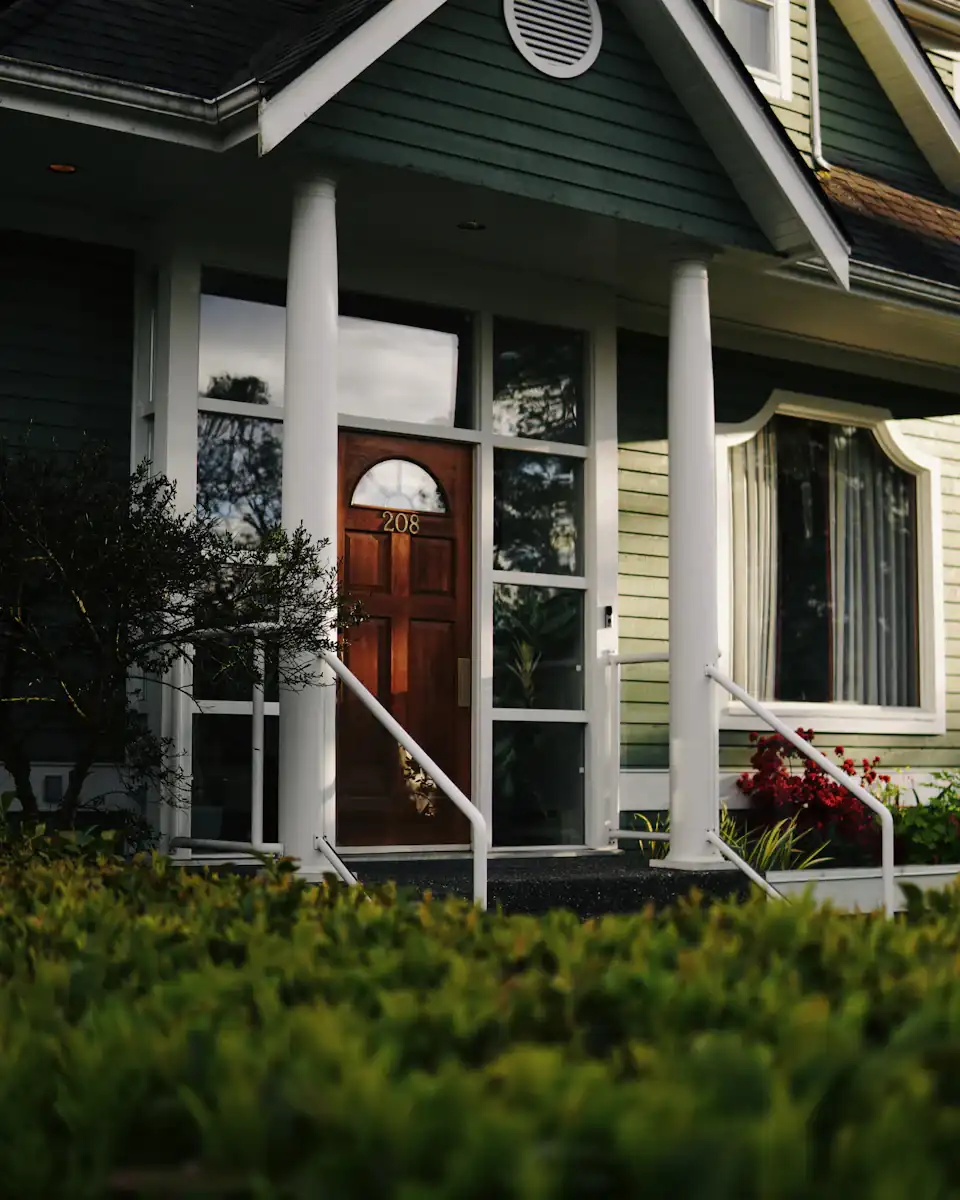 Pre-listing inspectionSellers who want to know first. You see the findings before a buyer's inspector does.
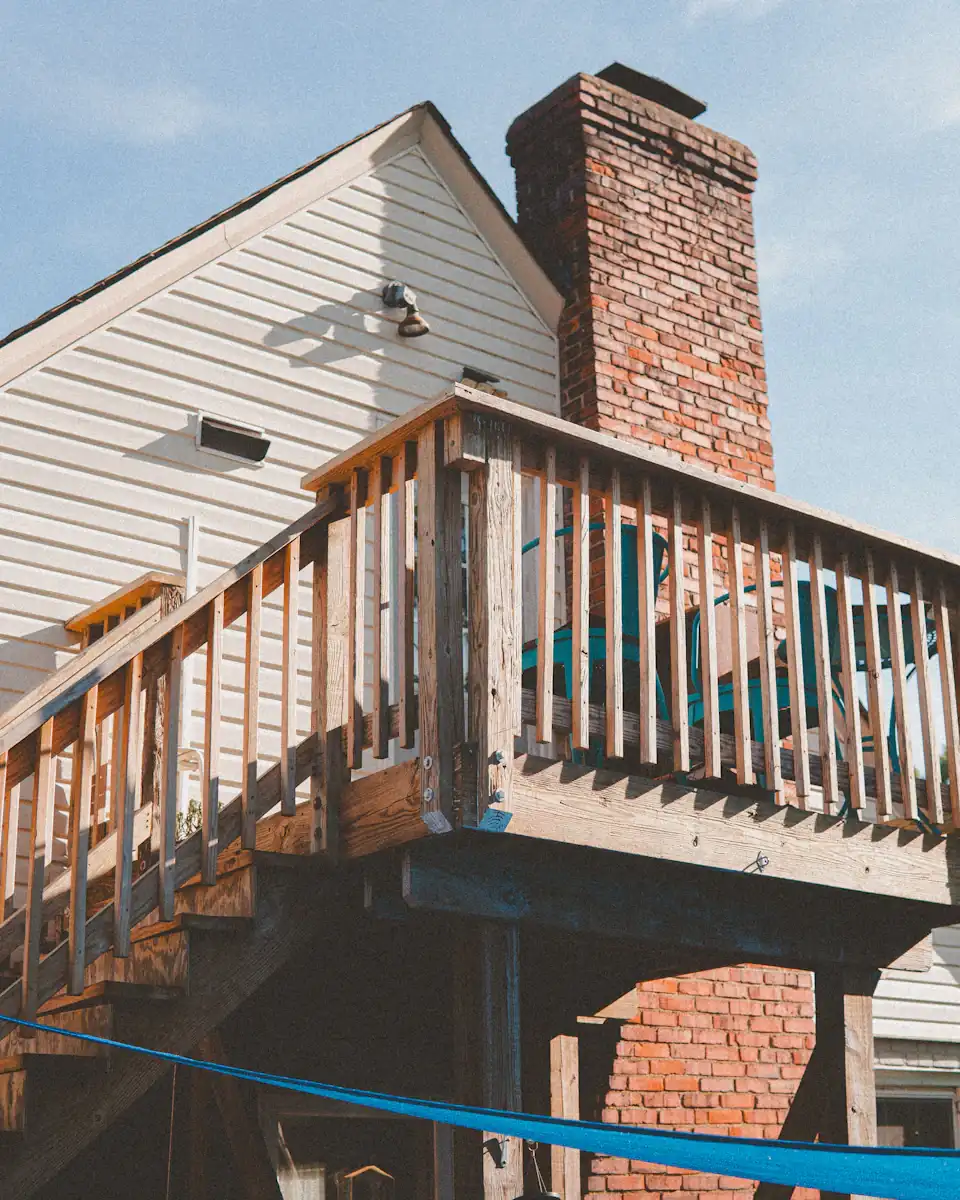 Strata and building envelope visual reviewCouncils and property managers. Walls, windows, decks and roofs, looked at from accessible points.
 Commercial and small multi-unitOwners and buyers of small buildings. Scope agreed before we book.
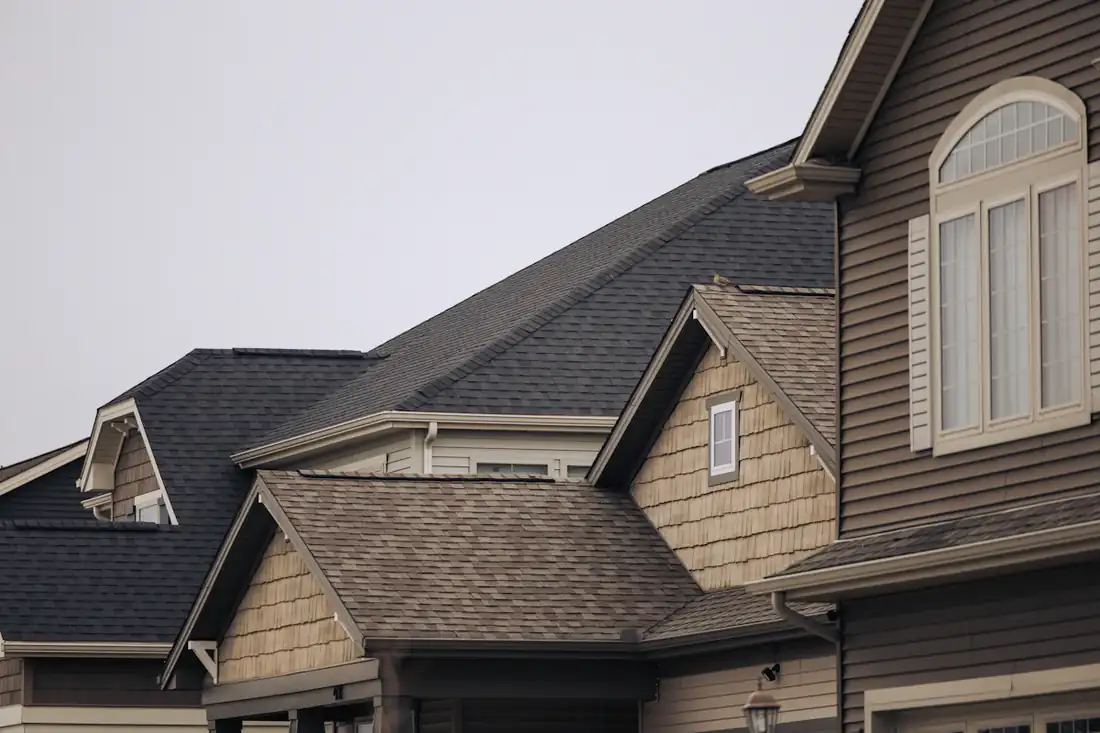 New home and warranty-period inspectionOwners of new homes. Done before the warranty periods run out.
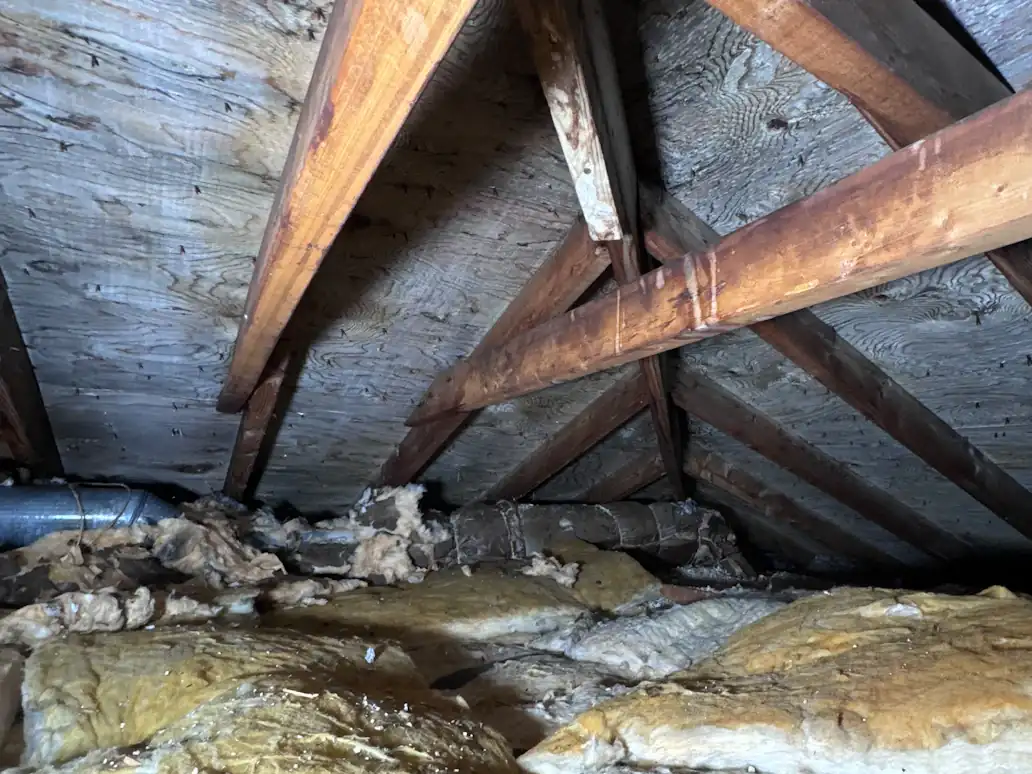 Crawl space or attic onlyOwners with a specific concern. Two spaces that hold more problems than their size suggests.
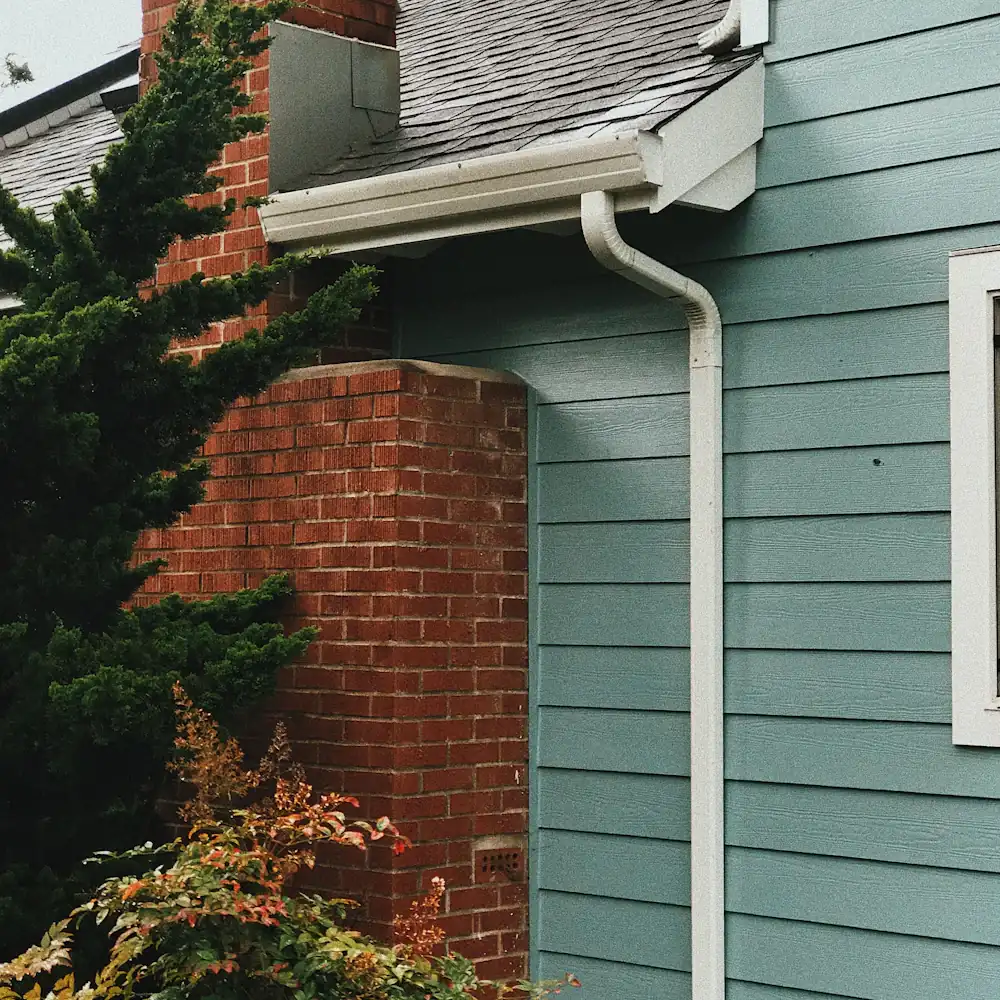

Eight stops on a typical inspection
Outside first, then in. This is the order the day usually runs.
Roof, flashing and chimney
We walk the roof where it is safe, or look from a ladder and the ground. Most leaks start at flashings, where the roof meets a chimney, a wall or a skylight.
Gutters, downspouts and grading
Where roof water goes after it leaves the gutter. A downspout that empties against the foundation sends that water straight to the crawl space or basement.
Walls, windows and cladding
Cladding, sealant, window frames and the details at decks and balconies. A moisture meter comes out wherever a stain or a soft spot suggests water.
Electrical panel and wiring
With the cover off: service size, breaker types, double taps, signs of heat, and any wiring that can be seen from the panel.
Plumbing supply and drains
Supply pipe material, the main shut-off, visible leaks, flow at the fixtures and how the drains run.
Furnace and hot water
We run the heating with its normal controls, look at the venting and the hot water tank, and read the data labels for age.
Attic
Insulation depth, ventilation, roof framing, old leak stains, and whether the bathroom fan duct actually reaches the outside.
Crawl space and foundation
Foundation cracks, the ground cover, standing water, damp framing and anything stored where it should not be.
What to expect for your home
Pick the property type, the rough size and when it was built. You will see about how long the inspector is on site, and what gets a closer look for a building of that age. Fees are on the pricing page.
Typical times only. The inspector confirms when you book. A secondary suite, a large crawl space or a busy attic adds time.
Writing an offer with a short subject period
In a busy market the subject period can be a few days, and the inspection has to fit inside it along with the financing and the document review. Send us the address, the subject date and the approximate age of the building when you ask for a time. That is enough for us to tell you straight away whether the date can work.
If you are buying a condo, remember that the inspection looks at the unit. The strata minutes, the depreciation report, the contingency reserve fund and any special levies are in the strata documents, and those need to be read inside the same window.
What the report looks like
Each finding gets a location, a plain description and a rating. Safety items and major items come first, then repairs, maintenance and things to watch.
- Safety
- Risk of injury, fire or serious damage. Deal with it before you move in, or as soon as you can.
- Major
- A significant defect, or a component at or past the end of its life. Try to get a quote before you remove subjects.
- Repair
- Needs fixing, but not urgent. Plan for it in the first year.
- Maintenance
- Routine upkeep the owner should do. Usually low cost.
- Monitor
- Not a problem today. Watch it, or ask a specialist if it matters to your decision.
1.1Major
Step flashing lifted at the chimney
The metal flashing where the chimney meets the roof has lifted along the east side, and the sealant over it is cracked. Daylight is visible along about 60 cm of the joint. There is a faint stain on the attic sheathing below, which suggests water has already found its way in.
Suggested Have a roofer re-flash the chimney and check the sheathing beneath. Do this before the wet season, and look at the attic again once it has been repaired.
4.1Safety
Two wires under one breaker
In the main panel, a breaker that is not rated for two conductors has two wires under its terminal. This can loosen the connection over time and create heat.
Suggested Have a licensed electrician correct the circuit, usually by adding a breaker. Ask the electrician to look over the rest of the panel at the same visit.
What an inspection cannot see
A home inspection is visual and non-invasive. We look at what is accessible on the day, and we write down what we could not reach. We do not:
- open walls, lift flooring, or move furniture and stored belongings
- test for mould, asbestos, lead or radon, or identify them with certainty
- inspect underground oil tanks, buried drain lines or the inside of flues, unless a separate scan has been booked
- predict how long a component will last, or promise it will not fail
If something needs a specialist, such as an electrician, a plumber, a roofer or an engineer, the report says so. More detail: What an inspection does and does not cover.
Where we work
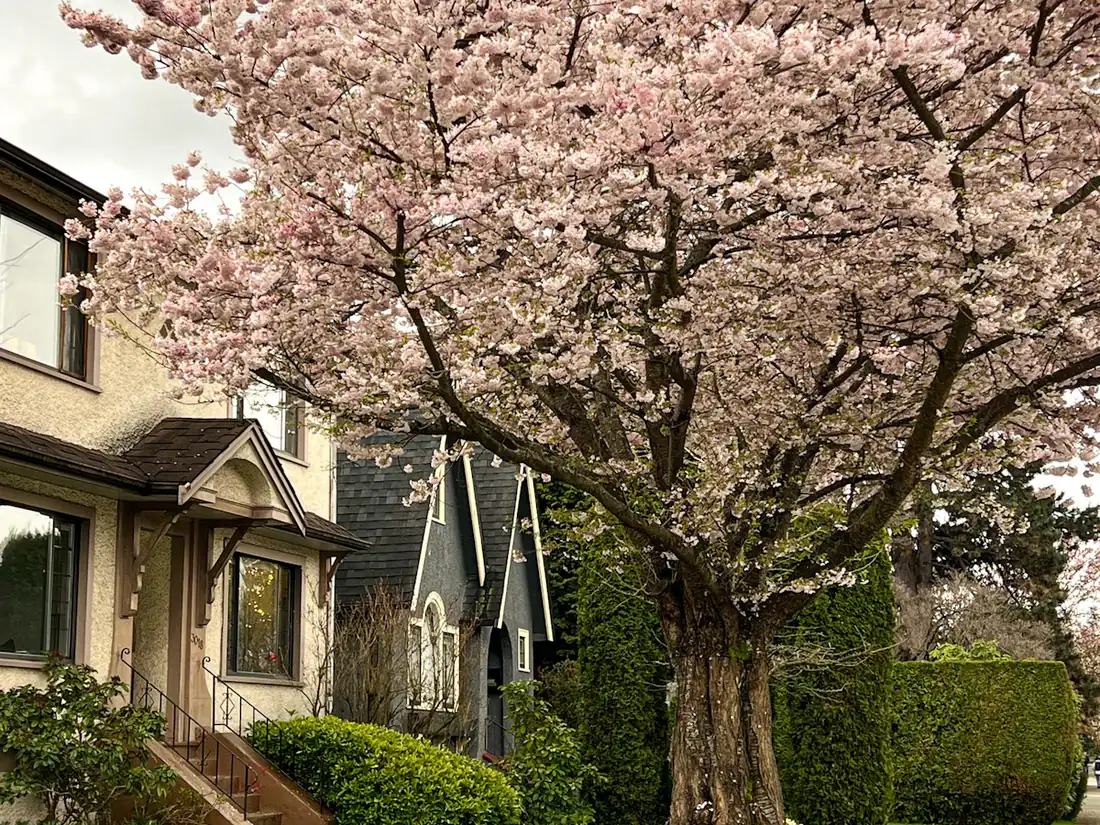
We travel to the property across the core of Metro Vancouver. Each city has its own housing stock, and the area pages describe what we tend to find in each.
From the guides
Plain-language notes on the problems buyers ask about most, written so you can read them before you call.
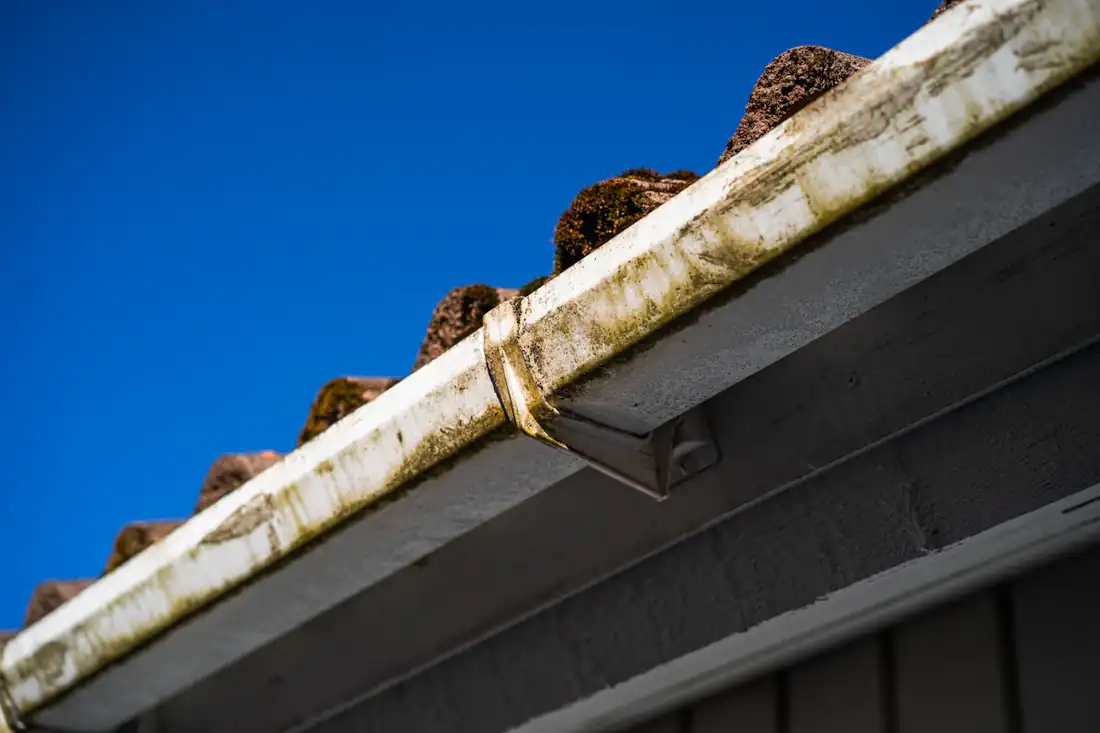 What a home inspection does and does not coverThe scope of a standard inspection, the parts nobody can see, and the questions that need a specialist instead.
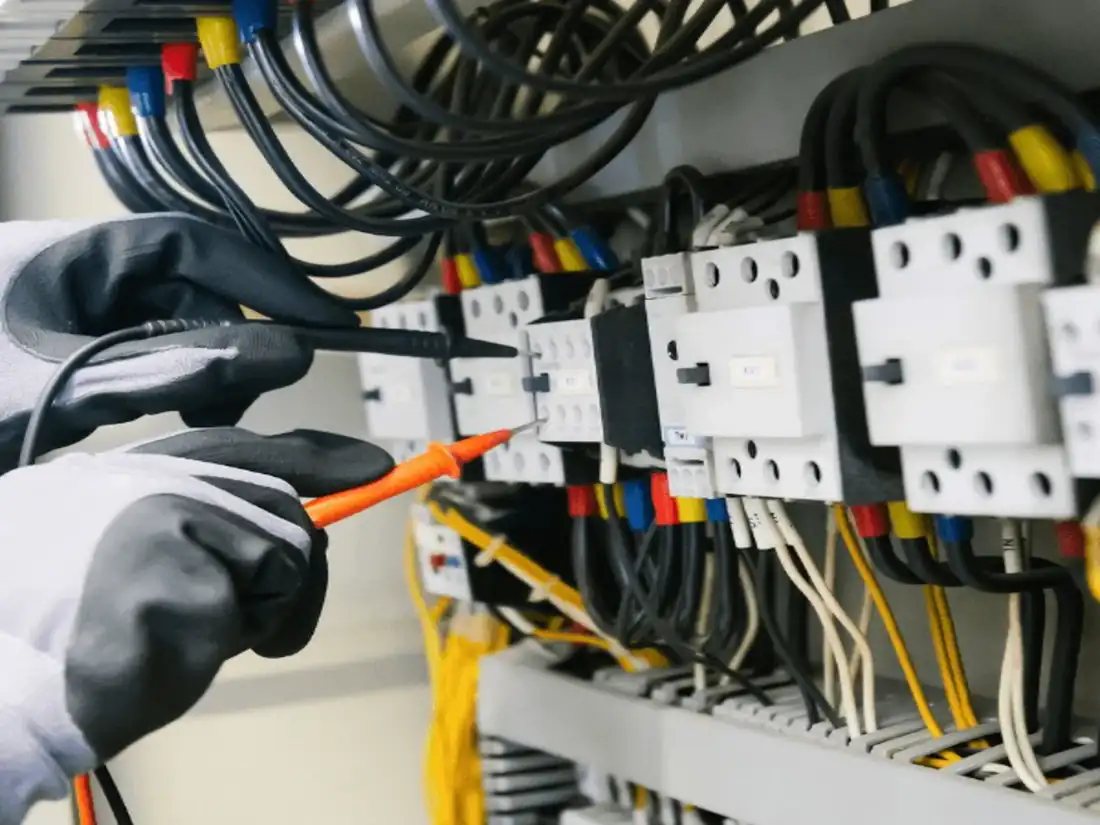 Knob-and-tube wiring and Federal Pacific or Zinsco panels: what buyers should knowOld wiring is common in Vancouver houses. What it is, what to ask your insurer, and when a panel is a concern.
- Poly-B plumbing in BC homesGrey plastic supply pipe from roughly the mid-1980s to the mid-1990s. How to recognize it and what to ask.
- Leaky condos: what the building envelope era means for buyersWhy buildings from roughly 1982 to 2000 are different, and the documents that tell you whether a building has been fixed.
- Vancouver Specials: what to look atThe boxy stucco house on a 33-foot lot. What to expect inside, and what usually needs attention.
- Subject removal: how to plan inspection timingA short subject period leaves little room. What to book first, what to send us, and what slips when you are rushed.
Have a subject date coming up?
Send us the address, the subject date and the approximate age of the building. That is enough for us to tell you straight away whether the date can work.